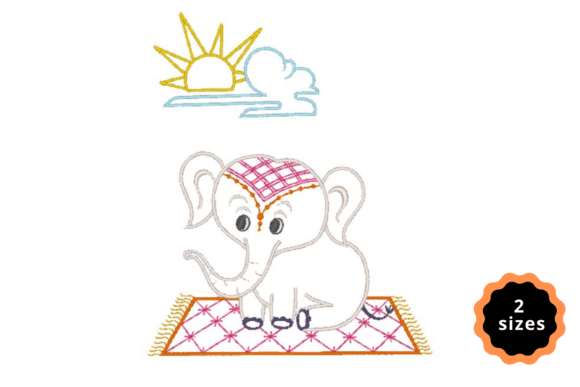
Elephant on the Wind Carpet Embroidery Review
As an embroidery designer who spends countless hours tweaking stitch paths and testing thread contrasts, I am always looking for designs that offer more than just a simple graphic. When browsing Creative Fabrica embroidery options for my upcoming boutique collection, the Elephant on the Wind Carpet design caught my eye. It promises to give fabrics an extraordinary look, and after reviewing its visual personality and potential applications, I believe it has serious merit for apparel decorators and small business owners.
This machine embroidery design is categorized under Wild Animals but feels far more whimsical than traditional wildlife motifs. The description highlights that this lovely elephant embroidery design can be sewn onto any fabric that needs a nice accent. For those of us building a brand identity around handmade products, finding a piece that balances cuteness with artistic flair is crucial. Here is my professional review of how this design fits into modern custom apparel projects.
First Impressions: Visual Mood and Design Strength
The immediate impression of the Elephant on the Wind Carpet is one of playful elegance. Unlike heavy, dense animal portraits that can feel stiff or overly realistic, this design seems to embrace a lighter, more decorative aesthetic. The "carpet" element suggests intricate detailing, likely involving fill stitches that create texture without overwhelming the garment.
For a boutique brand, visual consistency is key. This design feels premium yet approachable. It avoids being too childish while remaining accessible enough for a wide audience. Whether you are aiming for a rustic, cozy vibe or a trendy, minimalist look, the versatility of this motif allows it to bridge several aesthetic gaps. It is bold enough to serve as a focal point on a back panel but subtle enough to work as a chest placement if scaled appropriately.
Applying Elephant on the Wind Carpet to Apparel Projects
When planning a sweatshirt or hoodie collection, placement is everything. Here is how I see this design performing across different garment types:
- Sweatshirt Embroidery: This is perhaps the strongest use case. Sewing this lovely elephant embroidery design onto neutral sweatshirts creates a striking contrast. The intricate details of the carpet pattern will pop against heather grey or cream fleece, offering a high-end finish that elevates basic blanks.
- Hoodie Chest Placement: For a more subtle statement, placing this design on the left chest works well. It adds a touch of personality without dominating the silhouette. It pairs beautifully with pastel hoodies, creating a soft, inviting aesthetic that appeals to younger demographics.
- Back Designs: If the design size allows, using it as a large back print transforms a standard hoodie into a statement piece. This is excellent for lifestyle product photos and social media graphics, where visibility is paramount.
- T-Shirt Embroidery: On cotton tees, the design brings a unique texture that prints cannot replicate. It adds weight and durability to the garment, which customers often perceive as higher quality.
- Denim Jackets and Tote Bags: Beyond apparel, this machine embroidery design is perfect for accessories. Embroidering it on denim jackets adds a bohemian touch, while tote bags become functional art pieces. These items are popular among Etsy sellers looking for low-cost, high-margin add-ons.
Seasonal and Styling Considerations
One of the strengths of this design is its adaptability to seasonal trends. For autumn collections, the earthy tones often associated with elephant motifs pair naturally with rust, olive, and brown garments. In spring, it shines on light pastels. The "wind" aspect of the title suggests movement, making it ideal for lightweight layers and transitional weather clothing.
Practical Designer Notes: Execution and Quality Control
While the concept is strong, successful execution requires technical precision. As experienced embroiderers know, the difference between a amateur-looking stitch job and a professional finish lies in the preparation.
- Test on Scrap Fabric: Always run a test stitch-out on the same fabric type you plan to use. Fleece behaves differently than cotton twill, and you need to ensure the stabilizer choice supports the stitch density without causing puckering.
- Thread Color Contrast: Review thread color contrast carefully. Since the design features detailed carpet patterns, low-contrast threads may lose definition. I recommend using variegated threads or high-contrast solids to highlight the intricate lines.
- Hoop Size and Stabilizer: Confirm hoop size requirements before starting production. Large designs require stable hooping techniques to prevent shifting. For stretchy fabrics like jersey knits, a tear-away or cut-away stabilizer is essential to maintain shape.
- Stitch Density Inspection: Inspect stitch density closely. Areas with dense stitching may take longer to execute and could cause fabric distortion if not supported properly. Ensure your machine settings match the recommended tension for the thread weight.
Where to Use the Design Carefully
Not every location on a garment is suitable for every design. There are specific areas where Elephant on the Wind Carpet might face challenges:
- Small Chest Placement: If the design is large, shrinking it for a small chest area may result in lost detail. Ensure the digitization holds up at reduced scales.
- Dense Stitch Areas: Avoid placing dense sections directly over seams or ribbed fabric, as the bulk can cause discomfort and uneven appearance.
- Curved Surfaces: Be cautious when embroidering on curved surfaces like sleeves or collars. The design’s geometric elements may distort if the fabric stretches during the process.
- Dark Garments: While dark garments provide good contrast, ensure your thread selection includes bright enough highlights to make the design visible. Dark-on-dark embroidery can look muddy if not planned correctly.
Impact on Brand Identity and Customer Trust
In the competitive world of online retail, visual presentation drives sales. A well-executed embroidery project signals professionalism and attention to detail. Using a unique design like Elephant on the Wind Carpet helps differentiate your boutique brand from mass-produced competitors.
When customers see a finished product with clean stitches and thoughtful placement, it builds trust. They perceive the item as a handmade product crafted with care, rather than a generic factory output. This perception increases perceived value, allowing you to command higher prices. Furthermore, high-quality embroidery enhances product recognition; customers remember the unique elephant motif, leading to repeat purchases and word-of-mouth referrals.
Commercial Viability
For Etsy sellers and small shop products, this design offers commercial potential. It is versatile enough to appear on various items, from custom apparel to home decor. However, before selling finished goods, it is critical to check Creative Fabrica product details and licensing terms. Ensure you have the appropriate license for commercial use of the digital embroidery file. Understanding these legal boundaries protects your business and ensures ethical practices.
Final Thoughts
The Elephant on the Wind Carpet design is a compelling addition to any embroidery library. Its blend of whimsy and intricacy makes it suitable for a wide range of commercial embroidery projects. From cozy sweatshirts to stylish tote bags, this design has the potential to elevate your finished product line.
By paying close attention to technical details like stabilizer choice and thread contrast, you can harness the full beauty of this machine embroidery design. It is a tool that, when used wisely, can significantly boost your customer engagement and strengthen your brand’s visual identity. For designers looking to add a touch of wild charm to their collections, this is definitely worth considering.