Green Floral Bush Embroidery Design Review
As a designer who spends more time than I care to admit staring at stitch density charts and testing fabric samples, I approach every new machine embroidery design with a mix of skepticism and curiosity. When I first laid eyes on the Green Floral Bush, my initial reaction was one of quiet appreciation for its simplicity. It isn’t trying to be the loudest thing in the hoop, which is often where many designs go wrong. Instead, it offers a subtle, organic rhythm that feels right at home in modern, minimalist, or rustic aesthetic spaces.
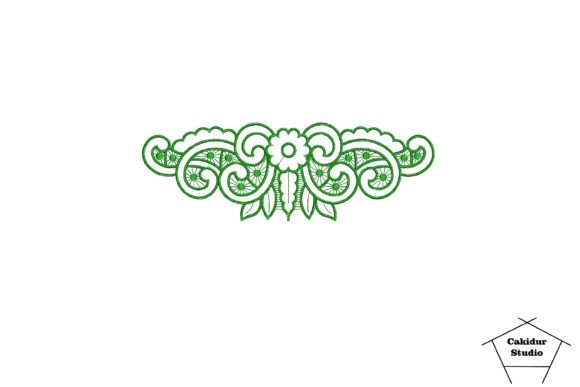
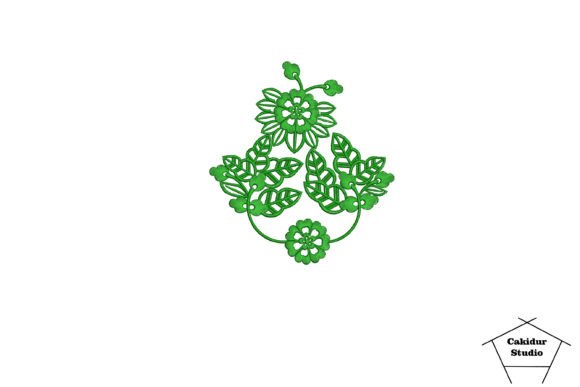
This piece falls under the category of Outline Flowers, but calling it just an outline design does it a disservice. The visual weight comes from the negative space and the fluidity of the lines rather than heavy coverage. For those of us creating handmade products for boutiques or Etsy shops, understanding how a design breathes is crucial. The Green Floral Bush has that breathing room. It suggests growth without demanding attention, making it a versatile asset for everything from personalized gifts to commercial branding assets.
First Impressions: Mood and Visual Personality
The moment you load this file, the abstract nature of the floral ornament becomes apparent. It doesn’t mimic a specific rose or lily; instead, it captures the essence of foliage through sweeping curves and delicate intersections. This abstraction is a double-edged sword, but in this case, it works in favor of the designer. Because it isn’t hyper-realistic, it avoids looking dated or overly literal. It feels contemporary.
Mood-wise, the design evokes a sense of calm and natural elegance. It pairs beautifully with earthy tones, muted pastels, or stark monochromes. If you are planning to use this for custom apparel, think about the story you want the garment to tell. A Green Floral Bush on a heavyweight cotton sweatshirt tells a different story than the same design on a silky blouse. On the former, it reads as grounded and cozy; on the latter, it feels airy and sophisticated. This adaptability is rare in digital embroidery files, where many designs feel stuck in one specific stylistic lane.
Real-World Application: From Hoop to Product
Let’s talk about how this performs when it leaves the computer screen and enters the physical world. I recently tested this concept on a custom tote bag project, imagining it as a signature element for a small shop’s packaging or a standalone product. The clean lines of the bush translate exceptionally well onto canvas or linen. Because the design relies on running stitch characteristics and open areas, it doesn’t overwhelm the texture of the fabric. In fact, it enhances it.
For Etsy sellers and small business owners, versatility is currency. This design fits seamlessly into several high-demand niches:
- Apparel Decorators: Use it as a chest-level accent on sweatshirt embroidery projects or as a larger statement piece on the back of t-shirts. The abstract nature ensures it doesn’t look like a cheap club logo.
- Nursery and Baby Items: The soft, flowing lines make it ideal for baby embroidery. Think onesies, burp cloths, or crib sheets. The lack of sharp angles makes it visually soothing for parents.
- Home Decor: Pillow covers and kitchen towels benefit from this design’s balance. It adds a touch of "exquisite" style without cluttering the visual field, which is critical for items that will be seen daily.
- Holiday Gifts: During the holiday season, this design can serve as a fresh alternative to traditional motifs. It works well for Christmas stockings or New Year’s Eve party favors where a subtle green theme is desired.
I also considered its potential as an embroidered patch. While the design is primarily an outline, adding a light fill stitch behind the main stems could give it enough body to stand alone as a detachable badge. However, for the purest effect, stitching it directly onto the garment or accessory yields the most professional result.
Where Caution Is Required
No design is perfect for every scenario, and being honest about limitations is part of responsible reviewing. There are specific contexts where the Green Floral Bush might struggle if not handled with care.
First, consider your hoop size. If you attempt to scale this down too far, the delicate connections between the abstract leaves may become fragile. Tiny details in outline designs can sometimes merge together during the stitching process, especially if the thread tension isn’t perfectly calibrated. Always test the smallest intended size on scrap fabric before committing to the final product.
Second, think about fabric texture. While this design looks beautiful on smooth cottons and linens, textured fabrics like bouclé or thick wools can hide the fine lines of the bush. Conversely, thin or stretchy fabrics require proper stabilization. Without it, the stitch density—even if light—can cause puckering. If you are working on curved surfaces like caps or hats, ensure your hoop stabilizer is rigid enough to prevent distortion.
Another area to watch is color contrast. Since the design is largely linear, it relies on the thread color to define its shape against the background. On dark fabric, you need a bright, opaque thread to ensure the outlines pop. On light fabric, a darker thread provides necessary definition. If you are using variegated threads, the changing colors might distract from the clean geometry of the bush. Stick to solid threads for the best results.
Practical Designer Notes for Success
To get the most out of this digital embroidery file, I recommend following a few practical steps before starting your production run. These tips apply whether you are a hobbyist making a personalized gift or a pro fulfilling a bulk order.
- Test on Scrap Fabric: Never assume a design will stitch perfectly based on the preview. Stitch it out on the exact fabric you plan to use. Check for thread breaks, tension issues, and how the fabric reacts to the needle penetration.
- Review Stitch Density: Even though this is an outline design, check the transition points. Are there any areas where the machine might jump excessively? Excessive jumping can lead to loose threads on the back of the work, which affects the quality of the finished product.
- Check Black and White Mockups: Convert your design to black and white in your digitizing software. This helps you see the true value and balance of the shapes without being distracted by thread colors. Does the composition feel balanced? Is there too much empty space in one corner?
- Stabilizer Selection: Use a cut-away stabilizer for woven fabrics and a tear-away for knits, depending on the stretch of your material. Proper stabilization is the invisible hero of any good embroidery project.
- Licensing and Commercial Use: Before selling any items made with this design, confirm the license terms. Some designers allow commercial use for a limited number of items, while others require a separate commercial license. As a craft business owner, protecting yourself legally is as important as the quality of the stitch.
Final Verdict
The Green Floral Bush is a thoughtful, well-executed addition to any library of design assets. It doesn’t scream for attention, but it earns respect through its clean execution and adaptable mood. For creative entrepreneurs looking to add a touch of organic elegance to their small shop products, this design delivers. It bridges the gap between simple and sophisticated, making it a safe yet stylish choice for a wide range of applications.
If you are preparing for a busy season of craft fairs or updating your Etsy listings, consider how this abstract flora can elevate your current offerings. It’s the kind of detail that customers notice because it feels intentional and refined. Just remember to respect the fabric, choose your threads wisely, and always test before you sell. When done right, the result is a handmade product that stands out for its quality, not just its novelty.