Heartbeat with Stethoscope Review for Craft Fairs
As an experienced embroidery designer who has spent countless weekends setting up booths at local craft fairs, I know that the difference between a design that gathers dust and one that sells out comes down to visual impact and practical execution. When I first encountered the Heartbeat with Stethoscope design, I immediately thought about how it would perform on a busy market table. This piece is not just a random graphic; it is a narrative element that speaks directly to healthcare professionals, medical students, and anyone with a passion for healing arts. In this review, I will break down exactly how this design fits into the handmade product ecosystem, from Etsy listings to physical booth displays.
The First Impression: Bold, Cute, and Professional
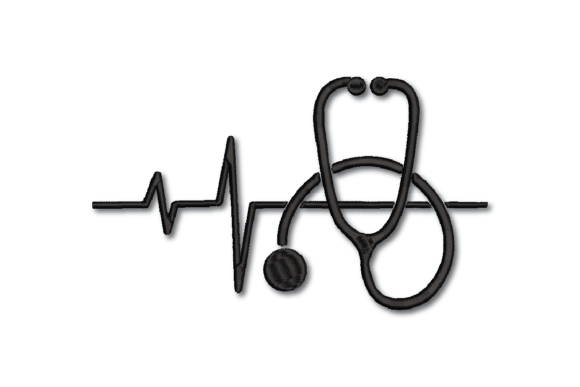
Upon reviewing the file, the Heartbeat with Stethoscope strikes a balance between playful and professional. It does not feel overly clinical or stark; instead, it carries a warmth that makes it perfect for handmade products intended as gifts. The concept of a heartbeat represented by a stethoscope is instantly recognizable, which is crucial for grabbing attention in a split second when a customer walks past your booth. Whether you lean into a modern, clean aesthetic or a softer, farmhouse style, this design adapts well. It feels premium enough to justify a higher price point on items like aprons or tote bags, yet simple enough to be appreciated as a cute accent on a small pouch or patch.
Product Potential: Where Does It Shine?
When planning my display for a weekend craft fair, I look for versatility. The Heartbeat with Stethoscope excels because it works across a wide range of merchandise. Here is how I see it performing on specific items:
- Tote Bags: A large, centered application on a canvas tote bag creates a statement piece. For an Etsy seller, this is a high-demand item. The design acts as a focal point that tells a story about the user's profession or interests.
- Apron Embroidery: This is perhaps the strongest category for this design. Imagine a chef or a nurse wearing an apron with this motif. It transforms a utilitarian item into a personalized gift. The placement on the chest area of an apron ensures visibility and adds a touch of personality to the kitchen or clinic.
- Tea Towel Embroidery: Kitchen towels are classic craft fair sellers. The design works beautifully here as a decorative accent. It appeals to those who love cooking but also appreciate medical humor or appreciation.
- Embroidered Patches: If you are looking to sell accessories, turning this into an iron-on or sew-on patch is a smart move. It allows customers to add the design to jackets, beanies, or backpacks without needing a full embroidery setup.
- Fabric Pouches and Pillow Covers: These smaller items allow for a lower price point entry for buyers. The design provides a nice visual pop on a neutral fabric background, making it an excellent choice for small shop products.
- Caps and Market Bags: While caps present a challenge due to curvature, the design can work if sized correctly. Market bags offer a larger surface area where the design can breathe and stand out.
Selling Points and Visual Appeal
In the world of commercial embroidery, clarity is king. The Heartbeat with Stitchoscope design is easy to understand at a glance, which is vital for booth traffic. Customers do not have time to scrutinize every stitch; they need to get the gist immediately. This design delivers that instantly. It photographs exceptionally well for online listings, creating a printable mockup that looks crisp and professional. The lines are distinct, ensuring that even when viewed from a distance on a crowded table, the image remains legible.
For batch production, this design is highly repeatable. You can quickly run through a stack of tote bags or tea towels without losing consistency. This repeatability is essential for maintaining brand consistency and meeting deadlines during peak selling seasons. When customers see a cohesive collection of items featuring the same high-quality design, their trust in the brand increases, leading to better engagement and sales.
Practical Production Notes and Warnings
While the design is strong, there are technical considerations that any embroidery designer must respect to ensure the finished product meets expectations. The description warns that any alteration on the files may affect the output, so sticking to the original digitization is non-negotiable.
Stitch Density and Detail: Be mindful of dense stitch areas. If the design includes fine lines or tiny details, running it on thick fabric or textured towels might cause the stitches to sink or lose definition. Always check the thread contrast before committing to a bulk run. Dark fabrics require a stabilizer strategy that prevents puckering, while light fabrics need to avoid showing too much underlay.
Hoop Size and Fabric Texture: Confirming the correct hoop size is critical. If you attempt to fit this design onto a curved cap surface, ensure the machine can handle the curvature without distorting the geometry. Similarly, on textured materials like heavy terry cloth, the design might appear smaller than intended. To combat this, consider adjusting the placement or scaling slightly, but only after testing.
Loss of Clarity: Do not attempt to shrink this design too much for very small items. Tiny lettering or intricate parts of the stethoscope may disappear entirely if scaled down below a certain threshold. Keep the design at its intended size to preserve its integrity.
The Designer's Checklist for Success
Before you start mass-producing items for your next craft fair, follow these steps to guarantee quality:
- Test on Scrap Fabric: Never stitch directly on your final product. Run a sample on scrap material that matches the texture and weight of your intended item.
- Check Thread Contrast: Ensure the thread colors pop against the fabric. A low-contrast combination can make the design look muddy and unprofessional.
- Review Spacing and Stabilizer: Use the right stabilizer for the fabric type. Heavy stabilizers are often needed for knits, while cut-away stabilizers provide longevity for woven garments.
- Create Real Mockups: Take photos of the actual stitched sample, not just digital renders. Show potential buyers the real texture and depth of the machine embroidery design.
- Confirm Commercial Licensing: Before selling finished goods, verify that your license allows for commercial use. Selling digital embroidery files or physical products requires clear permissions.
The Heartbeat with Stethoscope is more than just a freebie download; it is a versatile asset for creative entrepreneurs. By understanding its strengths and respecting its technical limitations, you can create a line of products that stands out in a competitive market. Whether you are an Etsy seller building your brand or a boutique maker looking for unique inventory, this design offers a reliable way to connect with customers who value quality and meaning in their handmade goods.
Remember, the goal is to create items that people want to keep and wear. With careful planning and attention to detail, this design can become a staple in your collection, driving sales and delighting your audience at every craft fair and online storefront.