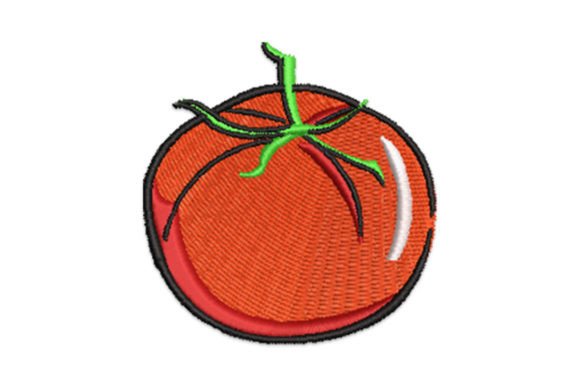
Tomato: A Designer's Review for Small Business Merch
As an experienced embroidery designer who has spent years refining designs for commercial use, I approach every new digital file with a critical eye. When evaluating Tomato, my initial reaction was one of immediate warmth and approachability. The description paints it as "bright and cute," which suggests a design that leans heavily into the friendly, rustic, and handmade aesthetic rather than a rigid corporate look. This is a crucial distinction for small business owners looking to build a brand identity that feels authentic and inviting.
In the world of machine embroidery design, the difference between a decorative item and a professional brand asset often comes down to execution and application. Tomato appears to be a versatile piece of design assets perfect for businesses that want to convey freshness, quality, and a touch of whimsy. Whether you run a boutique bakery, a local florist shop, or a creative studio, this embroidery file could serve as a cornerstone for your visual storytelling.
Visual Personality and Brand Identity
The first impression of Tomato is undeniably playful yet polished. It avoids the sterile feel of vector graphics by offering the tactile depth only embroidery can provide. For brands aiming to establish trust and recognition, this design offers a "handmade product" vibe that resonates deeply with modern consumers. People are drawn to businesses that show effort and care in their details, and a well-executed embroidered logo on a tote bag design or apron embroidery signals that attention to detail.
This design fits seamlessly into the Food category, but its utility extends far beyond just culinary applications. Imagine a pet brand using Tomato to represent a natural food line, or a craft business using it as a cheerful accent on packaging. The bright nature of the tomato suggests energy and vitality, making it an excellent choice for brand identity strategies that prioritize engagement and a positive customer experience. It transforms a standard label into a memorable mark that customers will want to keep.
Real-World Applications for Small Business Merch
When I review a design like Tomato for commercial viability, I immediately visualize where it will live in the real world. The potential for small business merch is extensive. Here is how this design performs across various high-demand categories:
- Embroidered Patches: One of the most popular uses for a design like this is creating custom patches. A bright tomato motif works exceptionally well as a chest logo accent on denim jackets or as a sleeve detail on work shirts. It adds a pop of color that breaks up solid colors effectively.
- Staff Uniforms and Aprons: For bakeries, cafés, or juice bars, apron embroidery is essential. Tomato looks professional when stitched onto canvas or twill aprons, instantly identifying staff while maintaining a cohesive team look. It humanizes the uniform without being distracting.
- Caps and Headwear: Cap embroidery requires careful consideration of curvature, but a simple, bold tomato shape can sit perfectly on the front panel. It serves as an excellent custom apparel item for promotional events or employee giveaways.
- Tote Bags and Product Labels: As a tote bag design, it functions as a walking advertisement. Furthermore, attaching a small version of this design to product packaging or gift tags creates a delightful unboxing experience that encourages social media sharing.
For Etsy sellers and digital file buyers, the versatility of Tomato means you aren't limited to a single product line. You can create a collection of branded goods—from kitchen towels to napkins—that all share this consistent visual language.
Strategic Considerations and Limitations
While Tomato is a strong candidate for many projects, an experienced designer knows that not every surface is suitable for every design. There are specific scenarios where caution is required to ensure the finished product meets professional standards.
Small Patch Sizes: If you intend to use this design for very small patches (under 1.5 inches), the level of detail may get lost. Embroidery relies on thread thickness, and intricate outlines can merge together at tiny scales. Always test the scaling before mass production.
Curved Surfaces and Caps: While caps are great for branding, the curved front can distort straight lines. Designs with high stitch density might pucker on the curve if not stabilized correctly. Ensure the design accounts for the natural drape of the fabric.
Fabric Texture and Color: On dark uniforms, the brightness of the tomato may require a heavier underlay or specific thread choices to pop against the background. Similarly, highly textured fabrics like heavy wool or loose weaves can make the stitches appear uneven. For these materials, a smoother cotton or twill blend is usually safer for maintaining crisp edges.
High Stitch Density: Designs with dense stitching can become stiff. If you are embroidering on a delicate fabric or a garment that needs to be flexible, check the stitch count. Too much density can cause the fabric to pull or tear over time, especially after frequent washing.
Practical Designer Notes for Production
To ensure Tomato delivers the best results for your commercial projects, I recommend following a strict pre-production checklist. These steps protect your investment and guarantee quality control.
- Test in Black and White: Before committing to full color threads, digitize or view the design in monochrome. This helps you understand the balance of negative space and ensures the silhouette remains recognizable even if thread colors change.
- Check Hoop Size and Stabilizer: Confirm the recommended hoop size for the design. Using the wrong stabilizer can lead to puckering or shifting. For items like kitchen towels or napkins, a cut-away stabilizer is often necessary to prevent distortion during washing.
- Inspect Thread Color Contrast: The description mentions the design is "bright." Verify that the selected thread colors offer sufficient contrast against your target fabric. Low contrast can make the design look muddy or invisible.
- Create a Printable Mockup: Before running a physical sample, generate a printable mockup for client approval. This allows stakeholders to visualize the placement on the final product without wasting materials.
- Compare Beside Other Assets: Ensure Tomato aligns visually with your other design assets. Does the style match your existing logo? Is the scale appropriate relative to your text elements?
- Confirm Commercial Licensing: Most importantly, verify the commercial embroidery rights. Just because you own the file does not always mean you can sell products made from it. Check the license terms explicitly.
Final Verdict on Tomato
Tomato stands out as a robust option for small business owners seeking to add a personal touch to their merchandise. Its "bright and cute" persona makes it ideal for brands that value connection and charm. By understanding its strengths in areas like embroidered patch creation and apron embroidery, while respecting its limitations on complex textures and tiny scales, you can leverage this design to elevate your brand presence.
Whether you are launching a new line of handmade products or refreshing your staff uniforms, taking the time to test and plan the execution of Tomato will pay off in a professional, durable, and visually appealing result. Remember, the success of any digital embroidery file lies not just in the design itself, but in the precision of its application.