Why Rainbow Leaf Fits Your Next Embroidery Project
As someone who has spent years reviewing machine embroidery design files for everything from boutique branding to personalized gifts, I know that the difference between a good project and a great one often comes down to a single element: the design itself. When I first encountered Rainbow Leaf, my initial reaction wasn't just about its color palette; it was about the mood it instantly sets. It feels sweet, modern, and undeniably cheerful. But does that translate well when you are actually stitching it onto a product you intend to sell or gift? That is where practical judgment matters.
The First Impression of a Modern Floral Design
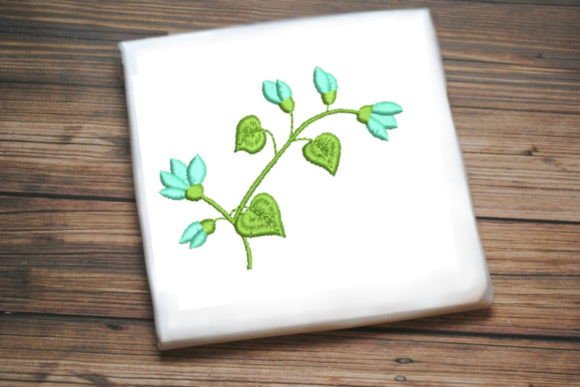
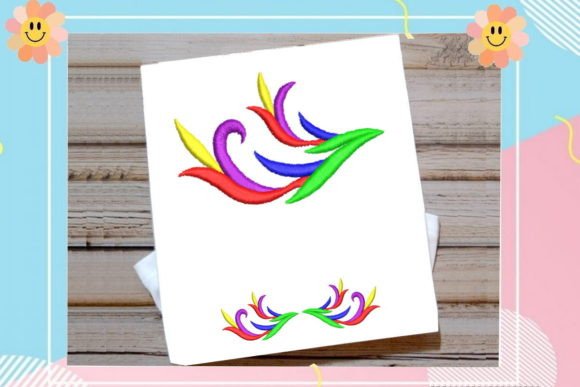
In the world of embroidery, specifically within the Single Flowers category, finding a design that balances simplicity with visual impact can be tricky. Rainbow Leaf avoids the trap of being too busy while still offering enough personality to stand out. The shape creates a sense of movement, making it feel less like a static graphic and more like a living part of the fabric. When I look at this as a designer, I see a piece that naturally belongs in projects aimed at a younger demographic, nursery decor, or fresh spring collections.
The layout suggests a design that works beautifully as a standalone focal point. Whether you are creating a custom embroidered patch or adding a subtle accent to a tote bag, the leaf structure provides a clean anchor for the eye. It doesn't scream for attention so much as it invites the viewer to appreciate the craftsmanship. This subtlety is crucial for high-end handmade products where brand consistency relies on quality over quantity.
Real-World Application: From Digital File to Finished Product
Let's talk about how Rainbow Leaf performs when taken out of the digital preview and into the hoop. Imagine you are an Etsy seller preparing a batch of custom sweatshirts for a holiday gift collection. You want something that looks festive without being cliché. Placing a tote bag design featuring this rainbow motif could elevate a plain canvas bag into a trendy accessory. The colors would pop against a neutral background, creating immediate visual appeal that drives buyer engagement.
I also envision this design thriving on baby clothes. The "sweet" aspect mentioned in the description translates perfectly to infant apparel. A small application of this leaf on a onesie or a baby blanket adds a touch of whimsy that parents love. However, the success of such a personalized gift depends heavily on execution. If the thread colors are chosen poorly, the "rainbow" effect can look muddy rather than vibrant. The key is selecting thread colors that complement the specific fabric texture you are using.
For those running a craft business, consider the versatility. This isn't just for clothing; it fits seamlessly into home decor. Think of pillow covers, kitchen towels, or even aprons for a boutique bakery. The design acts as a signature element that reinforces your shop's identity. When customers see a consistent use of a modern floral motif like Rainbow Leaf, it builds trust and recognition. It signals that the maker cares about aesthetics and detail, which is essential for commanding higher prices on finished products.
Where to Exercise Caution and Strategic Planning
While Rainbow Leaf is versatile, no design is universally perfect. As an experienced reviewer, I must point out areas where this design requires careful consideration. One of the biggest challenges in commercial embroidery is working with curved surfaces like caps or hats. While the leaf shape is organic, placing it on a tight curve can distort the intended flow if not digitized correctly. You need to ensure the hoop size matches the curvature of the item to avoid puckering or stretching the stitches.
Texture is another factor. If you plan to use this on a highly textured fabric like chunky knitwear or rough burlap, the fine details might get lost. Similarly, on thin or stretchy fabrics, the density of the fill stitch could cause the material to warp. In these cases, using a proper stabilizer is non-negotiable. Without it, the embroidery file might shift during stitching, ruining the crispness of the satin stitch edges.
Dark fabrics present their own set of hurdles. If the design relies on light threads to create the rainbow effect, it may lack contrast against a black or navy background. Conversely, if the design uses dark threads on a light background, you must ensure the fill density is sufficient to cover the underlying fabric completely. Testing the design in a black and white mockup before committing to production is a smart step to verify contrast levels. Additionally, for items that require frequent washing, such as aprons or children's wear, check the stitch density. If the design is too dense, it might become stiff and uncomfortable; if too sparse, it might fray over time.
Practical Notes for the Professional Maker
Before you start stitching up a storm with Rainbow Leaf, there are a few technical checks every designer should perform. First, always test the design on scrap fabric. This allows you to gauge how the thread colors interact with the specific weave of your material. You might find that a color that looks perfect on screen needs adjustment once stitched.
Review the stitch density carefully. High-density areas can sometimes lead to thread breaks or needle deflection, especially on older machines. Ensure your machine is compatible with the file format and that the applique design elements (if any) are clearly defined. If you are planning to sell the finished items, confirm the licensing terms of the digital product. Some digital embroidery files are restricted to personal use only, while others allow commercial rights for a limited number of units. Ignoring this can lead to legal issues down the line.
When creating printable mockups for your listings, pay attention to lighting. Show the design on both light and dark backgrounds to give potential buyers a realistic idea of the final product. This transparency reduces returns and increases customer satisfaction. Also, inspect the small details closely. Sometimes, tiny corners or sharp points in a design can snag or fail to stitch cleanly if the digitization isn't optimized.
Final Thoughts on Value and Visual Appeal
Rainbow Leaf offers a strong foundation for a variety of embroidery projects. Its ability to make fabric look modern and sweet gives it a unique place in the market. For designers looking to expand their offerings into custom apparel or home decor pieces, this design is a valuable asset. It strikes a balance between trendiness and timelessness, ensuring that your products remain relevant season after season.
However, remember that the best design in the world is only as good as the execution. By testing thoroughly, choosing the right stabilizers, and understanding the limitations of different fabrics, you can turn Rainbow Leaf into a standout feature of your next handmade product. Whether you are a hobbyist making gifts or a small shop owner scaling your business, paying attention to these details will elevate your work from simple crafts to professional-grade goods. The result is a finished product that not only looks beautiful but stands up to the rigors of daily life and the expectations of discerning customers.